






How to Maintain Nickel Alloy Products
- Views:0
- Author:
- Publish Time:2026-05-28
- Origin:
Proven Practices to Extend Service Life and Performance
Nickel alloys represent significant investments for industries ranging from chemical processing to marine engineering. Proper maintenance of nickel alloys ensures these premium materials deliver their expected service life of 20+ years while maintaining corrosion resistance and mechanical properties. This guide provides practical maintenance practices for nickel alloys in demanding environments.
Regular Cleaning Procedures
The first line of defense in maintaining nickel alloys is regular cleaning. Surface contaminants such as chlorides, sulfides, and industrial pollutants can initiate localized corrosion if left in contact with nickel alloys for extended periods. Clean nickel alloys quarterly in mild environments and monthly in aggressive conditions. Use warm water with mild detergent and a soft cloth or sponge. Avoid steel wool, wire brushes, or abrasive pads that can embed iron particles into nickel alloys, potentially causing galvanic corrosion.
Passivation and Surface Restoration
Nickel alloys naturally form a protective oxide layer, but this layer can be compromised by welding, machining, or surface damage. Periodic passivation restores the protective film on nickel alloys. Use a 20-25% nitric acid solution at 50-60°C for 30-60 minutes, followed by thorough rinsing with deionized water. For food-grade and pharmaceutical applications of nickel alloys, passivation should be performed annually or following any surface repairs.
Inspection for Corrosion and Cracking
Regular inspection of nickel alloys catches problems before they escalate. Visual inspection should look for pitting, discoloration, or surface deposits. For critical nickel alloys components in high-temperature or high-stress service, conduct non-destructive testing annually. Dye penetrant inspection effectively reveals surface cracks in nickel alloys, while ultrasonic testing detects subsurface flaws. A chemical plant case study showed that quarterly inspections of nickel alloys heat exchanger tubes caught pitting early, avoiding a $2 million unscheduled shutdown.
Avoiding Cross-Contamination
Nickel alloys are vulnerable to cross-contamination from carbon steel tools and work surfaces. Iron particles transferred during maintenance can create galvanic cells that accelerate localized corrosion. Maintain separate tool sets marked for use only on nickel alloys. Use stainless steel or plastic brushes rather than carbon steel. When welding repairs on nickel alloys, use matching filler metals and grind contaminated areas back to clean base material.
Handling High-Temperature Service
Nickel alloys in high-temperature applications face unique degradation mechanisms including carburization, nitridation, and sigma phase formation. For furnace components and turbine parts made from nickel alloys, monitor operating temperatures closely—exceeding design limits accelerates microstructural changes that reduce creep strength. Schedule metallurgical evaluation of high-temperature nickel alloys every 25,000-50,000 operating hours to assess remaining life and plan replacements.
Storage Best Practices
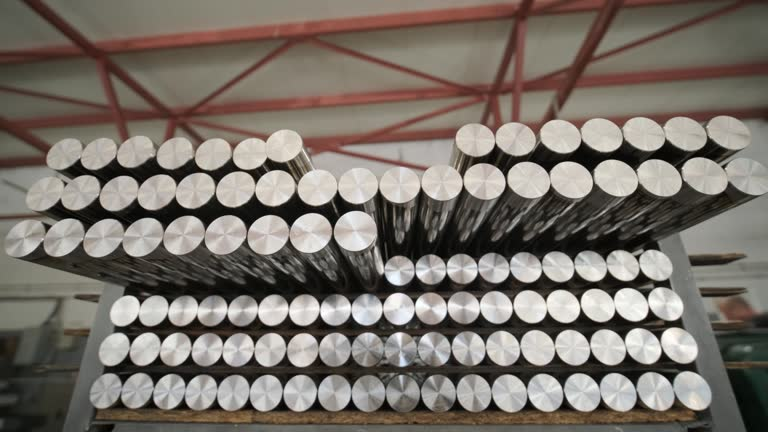
Proper storage of spare nickel alloys components prevents unnecessary degradation. Store nickel alloys indoors in low-humidity environments (below 60% relative humidity). Keep nickel alloys away from chloride sources such as PVC materials, cleaning chemicals, and coastal salt spray. Use breathable covers rather than plastic sheeting, which can trap moisture against nickel alloys. For long-term storage exceeding six months, apply a removable corrosion inhibitor specifically formulated for nickel alloys.
Repairing Damaged Nickel Alloys
When nickel alloys components sustain damage, proper repair procedures are essential. Grind out cracks completely before welding—incomplete removal leads to immediate re-cracking. Pre-heat nickel alloys to 150-200°C before welding to reduce thermal shock. Use low-heat input techniques and interpass temperature control. Post-weld heat treatment requirements vary by nickel alloys grade; consult material specifications. After repairs, restore surface condition through grinding or machining, then re-passivate.
Documenting Maintenance Activities
Maintaining detailed records of nickel alloys service history supports predictive maintenance and failure analysis. Document each cleaning, inspection, and repair with dates, personnel, findings, and actions taken. Track corrosion rates over time using thickness measurements at fixed locations on nickel alloys components. This data enables trend analysis, helping predict remaining service life and optimize maintenance intervals.
Proper maintenance of nickel alloy products maximizes your investment through extended service life, reduced unplanned downtime, and consistent performance in demanding environments.
To explore our comprehensive range of premium nickel alloys products, please visit our website at www.hcadto.com. For expert guidance on maintenance practices tailored to your specific application, contact us at info@hcadto.com. Our team is ready to support the long-term success of your nickel alloy components.


