






Nickel Alloys vs. Common Metals: Why Making the Right Choice Matters
- Views:0
- Author:
- Publish Time:2026-02-05
- Origin:
When selecting materials for demanding applications, engineers often face a critical decision: stick with conventional metals like stainless steel or carbon steel, or invest in nickel alloys. While cost may initially favor traditional options, performance data and industry experience reveal why nickel alloys often deliver superior long-term value.
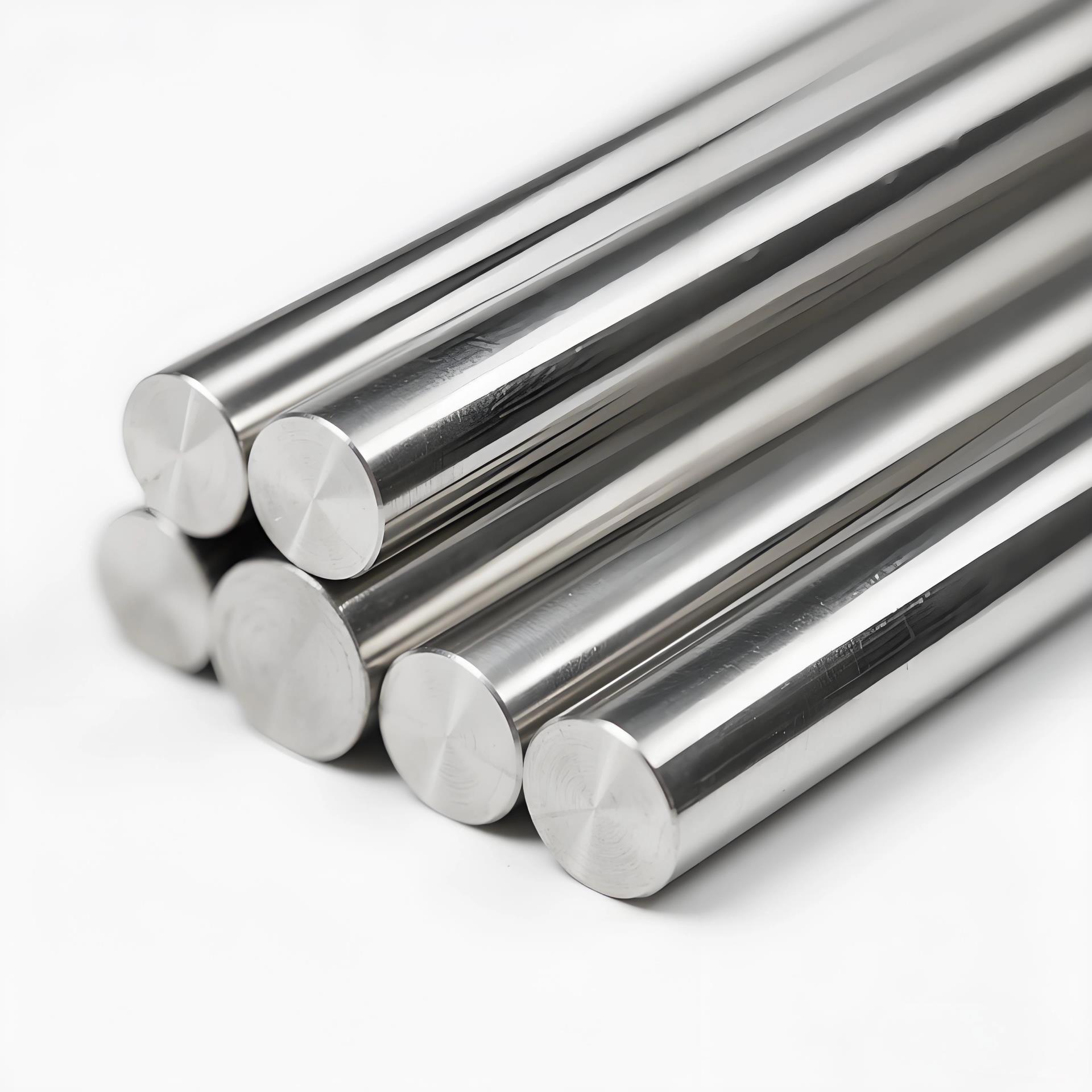
Key Performance Comparisons:
1. Temperature Resistance
Stainless steel typically maintains structural integrity up to 800°C, while nickel alloys like Inconel 718 reliably operate at 980°C or higher. In aerospace applications, this temperature advantage has enabled turbine engines to achieve 15% greater fuel efficiency through higher operating temperatures.
2. Corrosion Resistance
In chemical processing environments containing chlorides or acids, standard 316 stainless steel may show pitting within months. In contrast, Hastelloy C-276 has demonstrated continuous service for over 8 years in similar conditions without significant degradation—a major reason why 78% of new sulfuric acid plants now specify nickel alloys for critical components.
3. Mechanical Strength at Elevated Temperatures
Carbon steel loses approximately 50% of its room-temperature strength at 500°C, while nickel alloys retain over 85% of their strength under the same conditions. This explains why power generation plants increasingly use nickel alloys for superheater tubes, achieving longer service intervals and reduced maintenance costs.
Cost-Effectiveness Beyond Initial Price:
A refinery case study demonstrates the real economics: While nickel alloy piping had 2.8 times the initial cost of stainless steel alternatives, it delivered 4 times the service life with 60% lower maintenance requirements—resulting in a 34% total cost reduction over a 10-year period.
Making the Smart Choice:
Selecting materials isn't just about comparing technical specifications—it's about understanding your specific operating conditions, lifecycle requirements, and total cost of ownership. Nickel alloys consistently outperform conventional metals in applications involving extreme temperatures, corrosive media, or combinations of stress and harsh environments.
At our facilities, we provide more than just materials—we offer application engineering support to help you make informed decisions. Our technical team can analyze your operating conditions and recommend the most cost-effective solution, whether that involves full nickel alloy implementation or strategic use in critical areas.
Considering which material best suits your application needs? Contact our engineering team at info@hcadto.com or visit www.hcadto.com to request a comparative analysis specific to your operating conditions and performance requirements.


